As a business owner, you already know the importance of maintaining proper insurance coverage. You probably already have policies protecting your property, inventory, health, life, and employees. One of the most important policies that your business may need to be fully protected is commercial auto insurance.
Why Commercial Auto Coverage?
Commercial auto insurance, also know as a business auto policy (BAP), provides accident protection for vehicles that are used in the course of conducting business. A standard vehicle policy may provide protection for personal use, but will not normally cover accidents that occur when the vehicle is used for business purposes. A separate, specific business policy is normally required to protect your business in those cases.
What Vehicles Are Covered?
No matter what industry you’re in, if you or your employees use a vehicle on the job, you need business auto protection. Our commercial auto insurance covers a wide range of vehicles.
- Delivery Vehicles: This can include cars, trucks, vans, or any other vehicle that is used to provide deliveries for your business.
- Work Trucks: Pickups, flatbeds, utility vans, tool trucks, or any other vehicles transporting tools, supplies, or workers to job sites or other locations may need a commercial auto policy.
- Box Trucks: Whether hauling supplies, equipment, tools, or machinery, any kind of enclosed truck used for business may qualify.
- Cargo Vans: Popular for their versatility, cargo vans can be used for deliveries, transporting tools or supplies, inventory management, pets, or any other type of cargo.
- Shuttles: Transporting clients, employees, or other groups of people in a car or van typically requires a commercial auto policy.
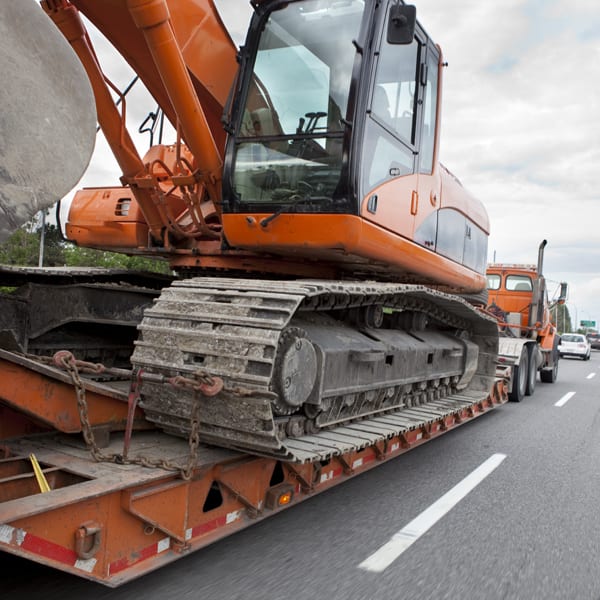
- Large Trucks: Large flatbed trucks, enclosed cargo trucks, equipment haulers, or semis will require a commercial auto policy for proper coverage.
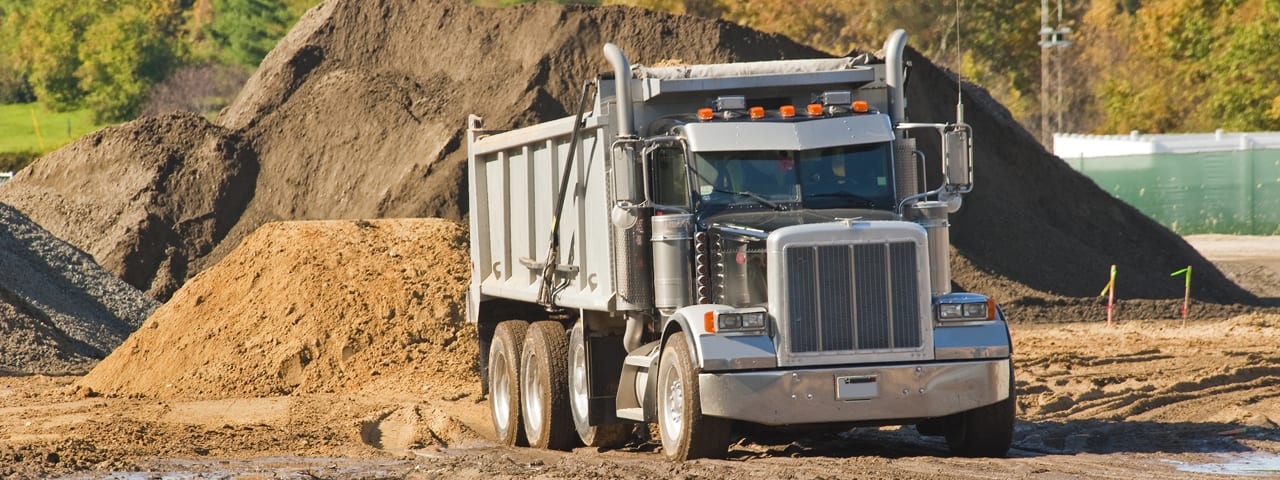
- Specialty Equipment: Specialized vehicles such as bucket trucks, dump trucks, trash haulers, cement mixers, concession trailers, and other customized equipment will generally require commercial auto coverage.
- Personal Vehicles: Vehicles that are owned by you or your employees but are used in the course of operating your business will usually require a commercial auto policy.

Types Of Coverage
Commercial auto insurance typically includes some or all of the following:
Bodily Injury Liability
This provides coverage for medical bills, rehabilitation, and other expenses if someone is injured in an accident caused by one of your vehicles.
Property Damage Liability
If you or one of your drivers is at fault in an accident, this coverage provides repair or replacement of property that is damaged.
Uninsured Motorist
This coverage protects you in the event someone else is at fault in an accident and has no insurance or insufficient coverage to pay for your damages.
Collision and Comprehensive
This covers damage to your vehicle from an accident, or losses from other causes such as storm damage or theft.
Getting Protection
Don’t leave your business vulnerable to an unexpected accident. Let one of our consultants work with you to assemble a commercial auto policy customized to fit your needs. Contact us today.
Commercial Auto Insurance FAQs
What is commercial auto insurance (a Business Auto Policy / BAP)?
Commercial auto insurance (often called a Business Auto Policy—BAP) protects vehicles used in the course of business. A personal auto policy is designed for personal driving and often won’t cover accidents that happen while the vehicle is being used for business purposes—which is why many businesses need a separate policy.
Who needs commercial auto insurance in Massachusetts?
If you or your employees drive for work—deliveries, job sites, transporting tools/equipment, or shuttling people—you should consider commercial auto coverage. This includes businesses with anything from a single work pickup to a fleet of trucks.
Do I need commercial auto insurance if I use my personal car for work?
Often, yes. If your personal vehicle is used beyond commuting (examples: client visits, deliveries, carrying tools, errands for the business), your personal policy may not be enough. Many businesses address this either with a commercial policy that schedules the vehicle or with Hired & Non-Owned Auto (depending on ownership and how it’s used)
What if employees use their own cars for errands or job-site travel?
This is one of the most-searched gaps: your business can still be pulled into a claim even when the car is employee-owned. Hired & Non-Owned Auto (HNOA) can help protect the business for liability when employees use personal vehicles (or when you rent/borrow vehicles) for work.
What vehicles can be covered under a commercial auto policy?
Our agency’ commercial auto page highlights coverage for many business-use vehicles, including: delivery vehicles, work trucks (pickups/utility vans), box trucks, cargo vans, shuttles, large trucks/semis, specialty vehicles (bucket trucks, dump trucks, cement mixers, trailers), and even personal vehicles used for business.
What coverages are included in commercial auto insurance?
Commercial auto policies commonly include:
-
Bodily Injury Liability (injuries you cause)
-
Property Damage Liability (damage you cause)
-
Uninsured Motorist (if the at-fault driver has no insurance)
-
Collision & Comprehensive (damage to your vehicle from crashes, theft, storm damage, etc.)
What are the minimum commercial auto insurance requirements in Massachusetts?
Massachusetts minimums commonly referenced for commercial auto include 25/50/30 (liability split limits), and Massachusetts also requires Personal Injury Protection (PIP) and Uninsured Motorist coverage. (Some businesses need higher limits depending on vehicles, contracts, or operations.)
Does Massachusetts require PIP (no-fault) on commercial auto policies?
Massachusetts is a no-fault state, which is why PIP is required on MA auto policies (including commercial auto), paying certain injury-related expenses regardless of fault (subject to policy terms)
Does commercial auto cover employees driving a company vehicle?
Typically, commercial auto is designed to cover the business owner and employees driving covered company vehicles for business purposes, assuming they meet the policy’s driver/permission requirements. (Exact driver eligibility and exclusions vary by policy.)
Does commercial auto insurance cover rental cars or borrowed vehicles?
Not always automatically. If you rent/borrow vehicles for work (including business travel rentals), you’ll usually want Hired Auto coverage (often packaged within HNOA) to protect the business for liability.
Does commercial auto cover trailers?
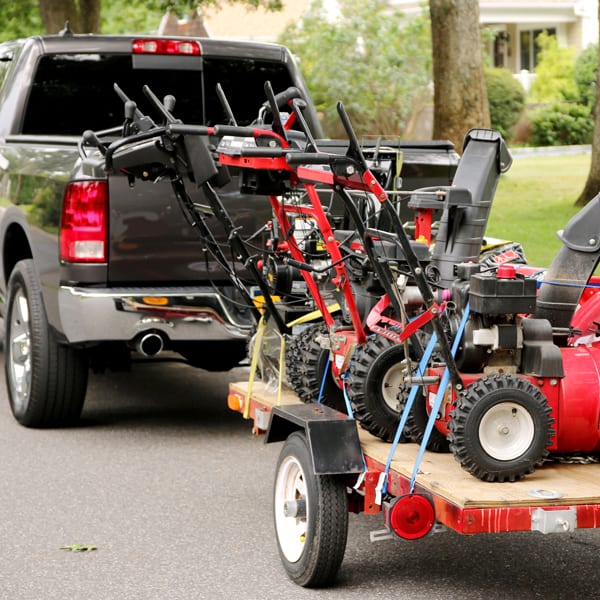
A very common question. In many cases, liability while towing may extend from the power unit to the trailer, but physical damage to the trailer itself often requires the trailer to be specifically added/scheduled (rules vary by insurer and trailer size/use).
Is commercial auto the same as general liability or a Business Owner’s Policy (BOP)?
No. General liability (and many BOPs) typically cover non-auto business risks (like slip-and-falls), but they don’t replace commercial auto for vehicle liability. Businesses usually need commercial auto separately.
How is commercial auto insurance priced?
Pricing commonly depends on things like:
-
vehicle type/weight (pickup vs box truck vs heavy truck)
-
how it’s used (delivery, job sites, transporting people)
-
where it operates (local radius vs regional/interstate)
-
driver history and claims
-
selected limits and deductibles
Do I need special filings or higher limits for trucking or passenger transport?
Possibly. If you operate with federal motor carrier authority (interstate for-hire, certain passenger transport, etc.), FMCSA has insurance filing requirements and minimum financial responsibility levels, and some carriers need an MCS-90 endorsement.
 Banas & Fickert Insurance Agency