The real estate market in Massachusetts is known to be expensive, with property values rising continuously since the last crash. As a homeowner, it’s important to understand how these values can affect your homeowners insurance coverage. The amount of insurance you need and the premiums you pay are directly tied to the value of your home, and not keeping up with these changes could leave you underinsured in the event of a disaster. This guide will explore how property values impact your insurance coverage and premiums and what steps you can take to ensure you’re properly protected.
Understanding Property Values and Homeowners Insurance
Homeowners insurance is designed to protect you from financial loss if your home or personal belongings are damaged or destroyed. The two primary components of your insurance policy that are influenced by your home’s value are dwelling coverage and personal property coverage.
- Dwelling Coverage: This refers to the portion of your policy that covers the cost of rebuilding or repairing your home if it’s damaged by a covered event, such as a fire, storm, or vandalism. The amount of dwelling coverage you need is based on the cost to rebuild your home, which is often related to its market value.
- Personal Property Coverage: This covers the cost to replace your belongings, such as furniture, electronics, and clothing, if they are damaged or destroyed. Personal property coverage is typically a percentage of your dwelling coverage, so as your home’s value changes, so does the coverage for your belongings.
When property values increase or decrease, the cost to rebuild or repair a home may also change. This is why it’s important to regularly review your homeowners insurance policy to ensure that your coverage limits reflect your home’s current value and the cost of construction in your area.
How Rising Property Values Affect Homeowners Insurance
In many parts of Massachusetts, especially in urban and desirable suburban areas, property values have been on the rise. While this is great news for homeowners in terms of building equity, it can have a direct impact on homeowners insurance coverage and premiums.
1. Increased Rebuilding Costs
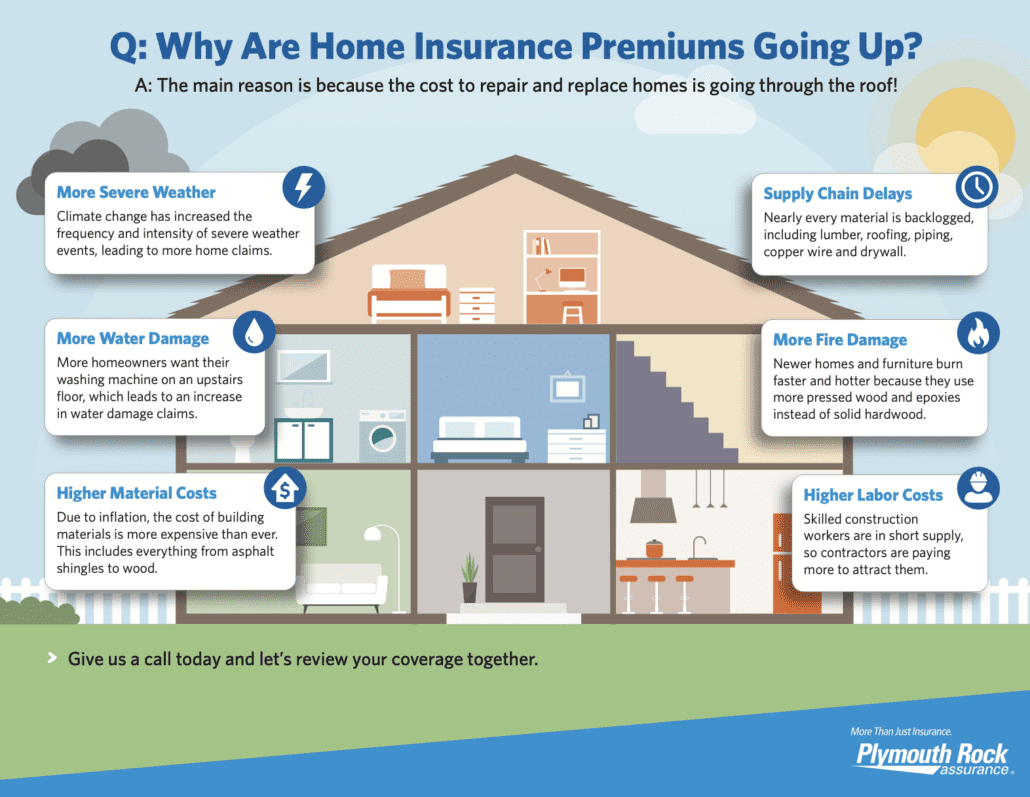
As property values rise, the cost to rebuild your home after a disaster can also increase. Rising real estate prices often go hand-in-hand with higher construction costs, including labor, materials, and permits. If your homeowners insurance policy is based on outdated home values, you may not have enough coverage to fully rebuild your home in the event of a total loss.
For example, if you purchased your home 10 years ago and your policy has not been updated since then, it’s likely that the dwelling coverage amount may no longer be sufficient to cover current rebuilding costs. In Massachusetts, where the cost of labor and construction materials can fluctuate dramatically, it’s essential to ensure your dwelling coverage aligns with current market conditions.
2. Higher Premiums
As property values increase, so does the amount of insurance coverage needed to protect your home. This increase in coverage will often lead to higher premiums. Insurance companies calculate premiums based on the replacement cost of your home, and if your home’s value has risen significantly, your premiums may rise accordingly.
For instance, if your home’s market value has increased from $300,000 to $500,000, you’ll likely need higher dwelling coverage, which will result in higher premiums. However, it’s a necessary adjustment to ensure you’re fully protected in the event of a catastrophe.
3. Changes in Personal Property Coverage
Because personal property coverage is typically tied to the value of your dwelling coverage, rising property values can also affect the coverage limits for your belongings. As the replacement cost of your home increases, your personal property coverage may also need to increase to ensure your belongings are adequately protected. High-value items like electronics, furniture, and appliances can be more expensive to replace over time, so it’s important to consider these rising costs when reviewing your policy.
How Declining Property Values Affect Homeowners Insurance
While the Massachusetts real estate market has been known for its rising prices, there are also periods when property values can decline. If this happens, it’s essential to know how a drop in your home’s value might impact your homeowners insurance.
1. Over-Insuring Your Home
When property values decline, there’s a risk that your insurance policy may provide more coverage than necessary. This could lead to higher-than-needed premiums. If the market value of your home decreases, you may be paying for more coverage than you need, particularly if the cost to rebuild your home has also decreased.
However, it’s important to note that the market value of your home and the cost to rebuild it are not always directly correlated. Even if your home’s market value decreases, the cost to rebuild may remain the same or even increase, depending on factors like inflation and construction costs.
2. Adjusting Premiums for Market Conditions
If property values drop significantly in your area, it may be worth discussing with your insurance agent whether your premiums should be adjusted. While you don’t want to reduce coverage to the point where you’re underinsured, adjusting your policy to better reflect current market conditions can help you avoid overpaying for insurance.
Regularly Review and Update Your Homeowners Insurance Policy
Given the fluctuations in the Massachusetts real estate market, it’s important for homeowners to regularly review and update their insurance policies. Here are a few steps to take to ensure your policy is up to date:
1. Schedule a Home Insurance Review
It’s a good idea to schedule an annual review of your homeowners insurance policy with your insurance agent. During this review, you can discuss any changes in your home’s value, construction costs, and personal property to ensure your coverage limits are still appropriate.
2. Consider an Inflation Guard Endorsement
Many insurance companies offer an inflation guard endorsement, which automatically adjusts your dwelling coverage to keep pace with inflation and rising construction costs. This can help ensure that your coverage remains adequate even as property values and rebuilding costs rise.
3. Update Your Policy After Major Home Improvements
If you’ve made significant improvements or renovations to your home, such as adding an extra room or updating your kitchen, it’s essential to update your homeowners insurance policy to reflect these changes. Home improvements can increase your home’s value and the cost to rebuild, so make sure your coverage accounts for these upgrades.
4. Check Your Replacement Cost Coverage
Ensure your homeowners insurance policy includes replacement cost coverage rather than actual cash value coverage. Replacement cost coverage reimburses you for the cost of rebuilding your home without factoring in depreciation, while actual cash value coverage only reimburses you for the depreciated value of your home and belongings.
In Massachusetts it’s crucial for homeowners to stay on top of their insurance coverage to ensure they’re adequately protected. Rising property values can lead to higher rebuilding costs and increased premiums, while declining values may require adjustments to avoid over-insuring your home. Regularly reviewing your homeowners insurance policy with your agent and keeping it up to date with current market conditions will help ensure you have the right coverage for your home, no matter what the real estate market is doing.
Having proper insurance and competitive premiums is important. Let us cover your assets in the event of an accident or emergency. No matter what type of insurance you are looking for, look to Banas & Fickert Insurance Agency for the best in insurance coverage. Call us today at 413-527-2700 for quotes or questions. Trust in us to help keep you safe and protected.








 Banas & Fickert Insurance Agency